Customer Portal Development for Malaysian Businesses
If you are running a business in Kuala Lumpur, Johor Bahru, or Singapore, you probably spend a significant portion of your day answering the same three questions: “What is my order status?”, “Can you resend the invoice?”, and “Where do I upload my documents?” While WhatsApp is the king of communication in Malaysia, relying solely on manual chat to handle administrative tasks is a recipe for burnout. Your team ends up acting like a manual switchboard rather than focusing on growth.
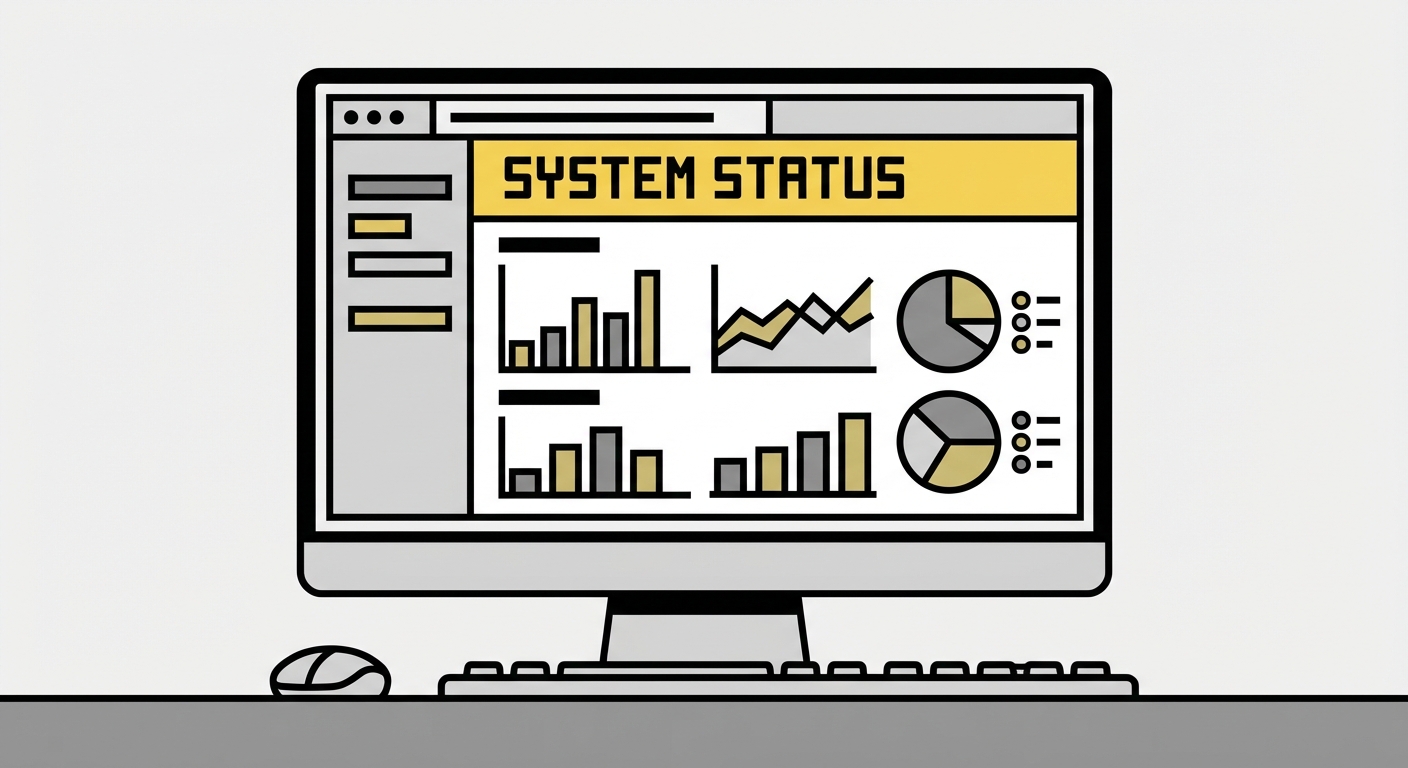
A custom customer portal (or self-service portal) changes this dynamic by giving your clients a private, 24/7 hub to manage their own relationship with your business. Instead of waiting for your staff to wake up or finish their lunch break at the local kopitiam, your customers can log in, download what they need, and move on with their day.
The “Manual Trap” in Malaysian SMEs
Many SMEs in Selangor and JB rely on a messy mix of Google Drive folders, WhatsApp threads, and Excel sheets. When a client in Singapore asks for a project update, someone in your office has to stop what they are doing, find the latest file, and send it over.
This “manual trap” costs more than just time; it costs professional credibility. In a market where customers are used to the seamless experience of apps like Grab or Shopee, they expect a certain level of digital autonomy. If your business requires a phone call just to check a balance or download a receipt, you are creating friction that your competitors might already be removing.
A dedicated client portal development strategy allows you to centralize these interactions. It’s not just a fancy login page; it’s a functional extension of your operations that works while you sleep.
Why Custom Web Apps Beat Ready-Made Subscriptions
When looking for a customer portal, many business owners first look at SaaS (Software as a Service) platforms. However, these often come with two major headaches:
- Subscription Fatigue: Paying RM 200–RM 500 every single month per user adds up quickly. Over three years, you could have paid for a custom-built system twice over.
- The “WordPress Bloat”: Many local agencies will offer to build a portal using WordPress plugins. At GX Automation, we avoid WordPress entirely because these “plug-and-play” portals are often slow, prone to hacking, and frustrating to use on mobile.
For a business in the MY-SG corridor, speed is a competitive advantage. Our custom web applications are built on a modern tech stack designed to load in under 1 second. Whether your client is using 5G in Orchard Road or a patchy connection in a rural part of Perak, the portal needs to be instant.
We focus on a one-time payment model. You own the code, you own the data, and you stop the bleeding of monthly subscription fees. You can see how this fits into our broader pricing structure for standard and custom projects.
Essential Features for a Malaysian Customer Portal
To be effective in the local market, a portal needs to do more than just look pretty. It needs to solve specific regional pain points.
1. WhatsApp Notification Integration
In Malaysia and Singapore, email is where receipts go to die. If you want a customer to take action—like approving a quote or paying an invoice—you need to reach them where they are. A high-performing portal should be linked with WhatsApp automation. When a document is uploaded to the portal, the client gets an automated WhatsApp message with a direct link. No more “Sorry boss, I didn’t see the email.”
2. Mobile-First Self-Service
Over 70% of Malaysian web traffic happens on mobile. Your clients aren’t always sitting at a desk; they are checking things while waiting for food or commuting. A self-service portal must be designed for the thumb, not just the mouse. This includes easy-to-tap buttons and a simplified interface that doesn’t feel like a cluttered desktop website squeezed into a small screen.
3. Local Payment Gateway Integration
Whether it’s RM via Billplz/FPX or SGD via Stripe/PayNow, your portal should allow for “one-click” payments. Integrating local payment gateways directly into the client dashboard reduces the time it takes for you to get paid. Instead of sending a bank account number via WhatsApp and waiting for a screenshot of the transfer slip, the portal handles the transaction and updates the status automatically.
4. Document & Asset Management
For service-based businesses—like accounting firms in KL or logistics providers in Pasir Gudang—handling documents is a nightmare. A portal provides a secure environment to upload IC copies, SSM filings, or shipping manifests. It’s significantly more secure than sending sensitive documents over unencrypted chat apps.
Practical Steps to Launch Your Portal
Building a portal doesn’t have to be a six-month ordeal. At GX Automation, we advocate for a streamlined approach to web app development.
Step 1: Identify the “Top 3 Repetitive Tasks”
Before writing a single line of code, look at your WhatsApp history. What are the three things customers ask for most? If it’s invoices, project timelines, and support tickets, those are the three features your MVP (Minimum Viable Product) should have.
Step 2: Clean Your Data
A portal is only as good as the data it shows. If your current records are scattered across three different Excel sheets, you’ll need to centralize them first. We often help businesses organize this data as part of our custom development process.
Step 3: Audit Your Current Speed
If you already have a basic website or a “slow” portal, use our free website audit tool to see where the bottlenecks are. If your portal takes 5 seconds to load, your customers will simply stop using it and go back to calling your office.
The Cost-Benefit Reality
A standard high-performance website for an SME typically ranges from RM 2,688 to RM 7,688. However, a custom customer portal is a more complex web application. While the initial investment is higher, the ROI is found in “recovered hours.”
If a portal saves your admin staff 2 hours of manual work per day, that is 40 hours a month. At a conservative labor rate, the system pays for itself within the first 6 to 12 months. Beyond the ringgit and sen, the professional image of having a “Client Login” button on your site builds immense trust, especially when dealing with Singaporean clients who prioritize digital efficiency.
Stop Managing Chats, Start Managing Growth
Malaysian business owners are some of the hardest working in the world, but many are working “hard” on tasks that a simple piece of software could do better. A customer portal isn’t just a luxury for big corporations like Maxis or Maybank anymore. With modern development tools, it’s now accessible to SMEs in JB, KL, and beyond.
By removing yourself as the middleman for every small request, you free up your time to find new clients, expand your product line, or actually enjoy your weekend.
Ready to automate your client interactions and ditch the manual follow-ups?
We build custom, high-speed portals with no monthly fees and a 14-day money-back guarantee. Let’s talk about your business process.
WhatsApp us today: https://wa.me/60169383640
Ready to Automate Your Business?
Let's talk about how we can help your business grow.